WATER PARK MAINTENANCE & REPAIR
MECHANICAL CLEANING
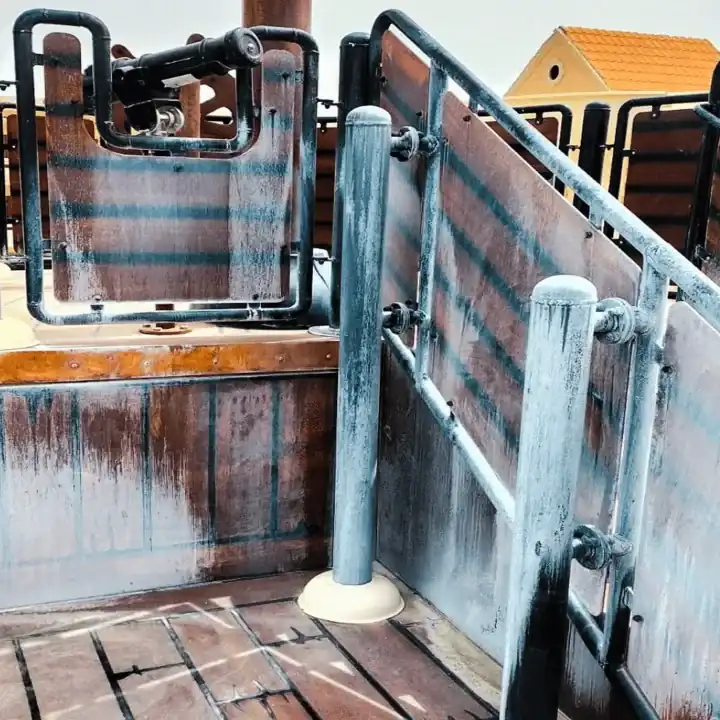
Heavy Sediment and Contamination on Slide Surfaces
These images show the significant deterioration of the slide surface caused by a combination of aggressive pool chemicals (such as chlorine and pH adjusters), hard water minerals, and environmental factors like UV exposure, windblown debris, and organic matter. Over time, this combination leads to the formation of tenacious calcium scaling, biofilm, and embedded particulate matter. This buildup is not merely a cosmetic issue; it creates a rough surface texture that increases friction, reducing slide performance and affecting the rider experience. More critically, it can harbor bacteria and becomes a starting point for surface degradation, leading to micro-abrasions that weaken the material's structural integrity over the long term.
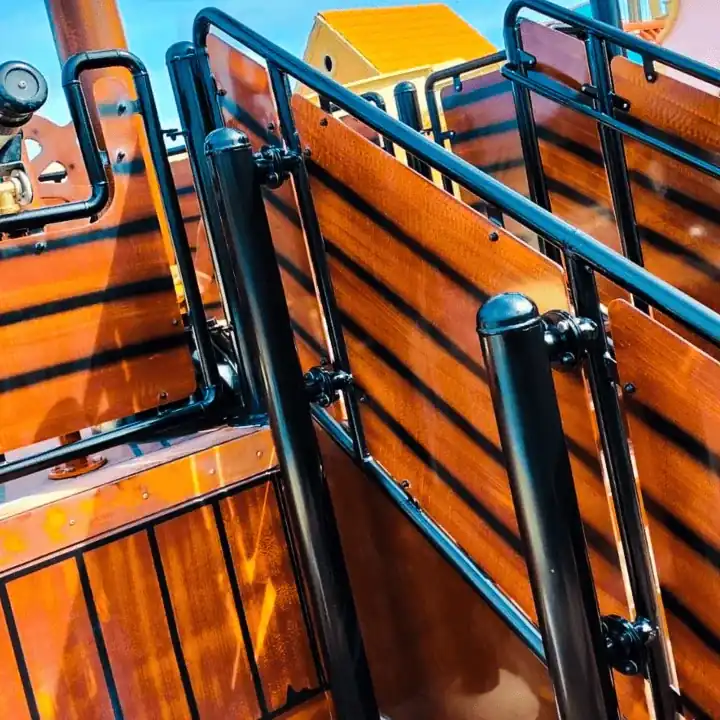
Restored Slide Surface After Mechanical Cleaning and Polishing
The after photos showcase the results of our specialized surface restoration protocol. The process began with a thorough high-pressure wash to remove loose debris, followed by a meticulous mechanical cleaning using non-abrasive, specialized pads and mild, pH-neutral cleaning agents designed for fiberglass/polymer composites. This critical step successfully dissolved and lifted all sediment, calcium deposits, and contaminants without scratching or damaging the underlying gel coat. The final stage involved a multi-step polishing and sealing process. This created a smooth, polished surface finish while also re-establishing a protective barrier. The outcome is a significantly enhanced rider experience, with improved glide performance and speed, while also providing improved resistance against future staining and chemical adhesion, supporting long-term safety and durability.
STRUCTURAL RESTORATION
Structural Cracking and Surface Fissures
These photographs document the progression of structural stress and material fatigue. Visible are multiple types of failures: micro-fissures on the surface (often called "crazing"), deeper stress cracks at high-load points, and a significant structural crack propagating from the edge. These defects are typically caused by a combination of cyclic loading (constant use), substrate movement, UV degradation which makes the material brittle, and impact damage. Beyond being a safety hazard with sharp edges, these cracks compromise the structural integrity of the entire panel. They also create a pathway for water ingress, which can lead to delamination of composite layers and corrosion of the underlying reinforcement, ultimately resulting in more extensive and costly repairs if left unaddressed.
Structurally Integrated Repair and Surface Restoration
The completed repair represents a full structural and cosmetic restoration. The process involved a meticulous, multi-stage procedure: first, the damaged area was routed out—a V-groove was carved along the entire length of each crack to remove weakened material and create a clean, sound bonding surface. The cavity was then filled and reinforced with a laminated fiberglass mat and catalyzed resin system, selected to suit the repair requirements, restoring the affected structural area. After curing, the repair area was meticulously sanded, contoured, and feathered seamlessly into the surrounding original surface. The final steps involved applying a color-matched gel coat and a high-gloss topcoat, resulting in a repair that is not only visually seamless but is also structurally restored and water-resistant, supporting the long-term safety and durability of the slide.
COMPLETE REFURBISHMENT
General Surface Degradation and Aged Infrastructure
These images capture the cumulative effect of years of service and environmental exposure. The asset suffers from a combination of issues: widespread fading and chalking of the coating, minor surface cracks (crazing), staining from metallic deposits and organic growth, and a general loss of structural gloss and color integrity. This overall deterioration not only diminishes the visual appeal and guest experience but also indicates a failure of the protective systems, leaving the asset more vulnerable to accelerated wear and potentially more extensive repairs over time.
Fully Refurbished and Rejuvenated for Operational Requirements
This complete refurbishment has returned the structure to a state that meets the project's operational requirements. The comprehensive process involved: 1) Surface Preparation: High-pressure washing, chemical cleaning to remove stains and biofilms, and scuff-sanding the entire surface. 2) Minor Repairs: Filling hairline cracks and surface imperfections with a flexible epoxy filler. 3) Coating System Application: Applying a multi-layer system including an epoxy primer for adhesion and corrosion inhibition, followed by a high-performance, UV-stable polyurethane topcoat in the original color scheme. The result is a uniform, durable finish designed to improve weather resistance and maintain a clean, long-lasting appearance.
SU PARKI BAKIM & ONARIM
MEKANİK TEMİZLİK
Kaydırak Yüzeylerinde Yoğun Tortu ve Kirlilik Birikimi
Bu görüntüler, agresif havuz kimyasalları (klor ve pH düzenleyiciler), sert su mineralleri ve UV maruziyeti, rüzgarla taşınan döküntüler ve organik maddeler gibi çevresel faktörlerin birleşiminden kaynaklanan kaydırak yüzeyindeki önemli bozulmayı göstermektedir. Zamanla bu kombinasyon, inatçı kalsiyum birikintileri, biyofilm ve gömülü partikül madde oluşumuna yol açar. Bu birikim sadece kozmetik bir sorun değildir; sürtünmeyi artıran pürüzlü bir yüzey dokusu yaratarak kaydırak performansını düşürerek kullanıcı deneyimini olumsuz etkileyebilir. Daha da önemlisi, bakterileri barındırabilir ve yüzey bozulmasına zemin hazırlayarak, uzun vadede malzemenin yapısal bütünlüğünü zayıflatan mikro aşınmalara yol açabilir.
Mekanik Temizlik ve Cilalama Sonrası Yenilenmiş Kaydırak Yüzeyi
Sonraki fotoğraflar, özel yüzey restorasyon protokolümüzün sonuçlarını sergilemektedir. Süreç, gevşek döküntüleri temizlemek için kapsamlı bir yüksek basınçlı yıkama ile başladı, ardından aşındırıcı olmayan özel pedler ve fiberglas/polimer kompozitler için tasarlanmış yumuşak, pH nötr temizlik maddeleri kullanılarak titiz bir mekanik temizlik yapıldı. Bu kritik adım, alttaki jelkota (gel coat) çizik vermeden veya zarar vermeden tüm tortuyu, kalsiyum birikintilerini ve kirleticileri başarıyla çözdü ve kaldırdı. Son aşama, çok adımlı bir cilalama ve sızdırmazlık işlemini içeriyordu. Bu işlem yüzeyde pürüzsüz ve cilalı bir son görünüm sağlarken aynı zamanda koruyucu bir bariyeri de yeniden oluşturdu. Sonuç, daha iyi kayma performansı ve hız ile önemli ölçüde iyileştirilmiş bir kullanıcı deneyimidir.
YAPISAL RESTORASYON
Yapısal Çatlamalar ve Yüzey Kırılmaları
Bu fotoğraflar yapısal stres ve malzeme yorgunluğunun ilerlemesini belgelemektedir. Yüzeydeki mikro çatlaklar (genellikle "crazing" olarak adlandırılır), yüksek yük noktalarındaki daha derin stres çatlakları ve kenardan yayılan önemli bir yapısal çatlak gibi çoklu arıza türleri görünmektedir. Bu kusurlar genellikle döngüsel yükleme (sürekli kullanım), alt tabaka hareketi, malzemeyi kırılgan hale getiren UV bozulması ve darbe hasarının bir kombinasyonundan kaynaklanır. Keskin kenarlarıyla bir güvenlik tehlikesi olmasının ötesinde, bu çatlaklar tüm panelin yapısal bütünlüğünü tehlikeye atar. Ayrıca, su girişi için bir yol oluşturarak, kompozit katmanların delaminasyonuna ve alttaki takviyenin korozyonuna yol açabilir ve müdahale edilmezse sonuçta daha kapsamlı ve maliyetli onarımlara neden olabilir.
Yapısal Olarak Entegre Edilmiş Onarım ve Yüzey Restorasyonu
Tamamlanan çalışma, yapısal ve yüzey yenilemenin kapsamlı bir uygulamasıdır. Süreç titiz, çok aşamalı bir prosedürü içeriyordu: ilk olarak hasarlı alan oyuldu—zayıflamış malzemeyi çıkarmak ve temiz, sağlam bir bağlanma yüzeyi oluşturmak için her bir çatlağın tüm uzunluğu boyunca bir V-oluk açıldı. Daha sonra boşluk, kaybolan yapısal bütünlüğü geri kazandıran, orijinal onarım spesifikasyonuna uygun lamine fiberglas mat ve katalize reçine sistemi ile dolduruldu ve güçlendirildi. Kürlenmeden sonra, onarım alanı titizlikle zımparalandı, şekillendirildi ve çevresindeki orijinal yüzeyle kusursuz bir şekilde birleştirildi. Son adımlar, renk uyumlu bir jelkot ve çok parlak bir son kat uygulanmasını içeriyordu; bu, sadece görsel olarak kusursuz değil, aynı zamanda yapısal olarak yenilenmiş ve suya dayanıklı bir onarımla sonuçlanarak kaydırağın uzun vadeli güvenlik ve dayanıklılığını destekledi.
KAPSAMLI YENİLEME
Genel Yüzey Bozulması ve Eskimiş Altyapı
Bu görüntüler, yıllarca süren hizmetin ve çevresel etkilere maruz kalmanın kümülatif etkisini yansıtmaktadır. Tesis, çeşitli sorunların birleşmesinden muzdariptir: kaplamanın yaygın şekilde solması ve tebeşirlenmesi, küçük yüzey çatlakları, metalik birikintiler ve organik büyümeden kaynaklanan lekelenmeler ve yapısal parlaklık ile renk bütünlüğünün genel kaybı. Bu genel bozulma, yalnızca görsel çekiciliği ve misafir deneyimini azaltmakla kalmaz, aynı zamanda koruyucu sistemlerin arızalandığını da gösterir ve tesisi zaman içinde hızlanan aşınmaya ve daha kapsamlı onarım ihtiyaçlarına karşı daha savunmasız hale getirebilir.
Yenilenmiş ve İşletme Gereksinimlerine Uygun Hale Getirilmiş Yapı
Bu tam yenileme, yapıyı projenin işletme gereksinimlerini karşılayacak şekilde yenilemiştir. Kapsamlı süreç şunları içeriyordu: 1) Yüzey Hazırlığı: Yüksek basınçlı yıkama, kimyasal temizlik ve tüm yüzeyin hafifçe zımparalanması. 2) Küçük Onarımlar: Kılcal çatlakların esnek bir epoksi dolgu ile doldurulması. 3) Kaplama Sistemi: Yapışma ve korozyon önleme için bir epoksi astar, ardından orijinal renk şemasında yüksek performanslı, UV ışınlarına dayanıklı poliüretan son kat içeren çok katmanlı bir sistem. Sonuç, hava koşullarına dayanımı ve yüzey görünümünün uzun süre korunmasını destekleyen, homojen ve dayanıklı bir yüzeydir.